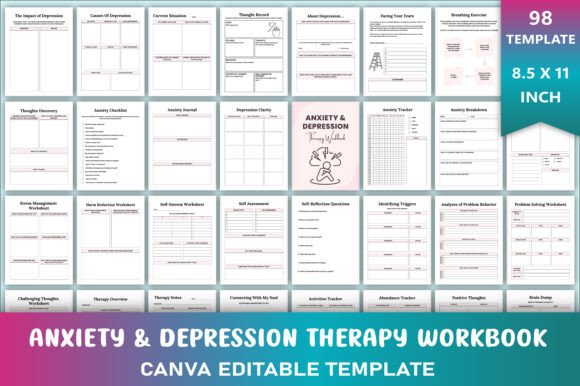
Anxiety Depression Therapy Workbook
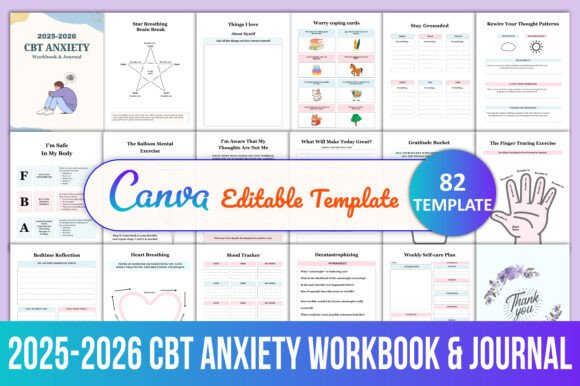
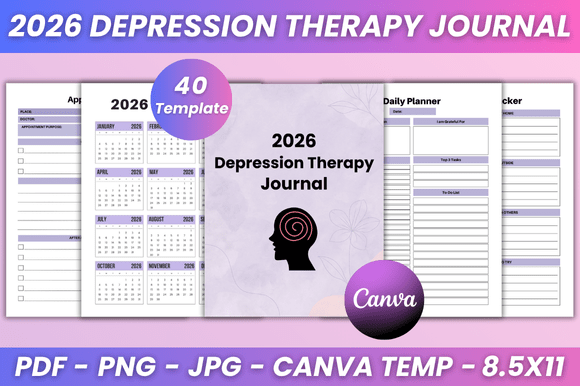
If you’ve ever sat in silence after a panic attack, stared blankly at your to-do list while feeling emotionally drained, or replayed the same anxious thought for hours—this isn’t just “stress.” It’s your nervous system asking for tools. The Anxiety Depression Therapy Workbook is designed not as a clinical textbook or distant self-help lecture, but as a grounded, hands-on companion for real days: messy mornings, overwhelming workdays, quiet evenings when emotions surface, and moments when even breathing feels like effort.
What This Workbook Actually Does—In Practice
This isn’t a passive read. It’s a responsive, customizable toolkit built for action—not analysis paralysis. Think of it like a personal therapist’s notebook that adapts to *your* rhythm, not the other way around. You don’t need a diagnosis to benefit from it—but if you’ve been navigating persistent low mood, racing thoughts, fatigue that sleep doesn’t fix, or emotional numbness, this workbook meets you where you are: no jargon, no gatekeeping, no pressure to “get better” before you begin.
Real-Life Moments Where It Steps In
At home, after work: You walk in, drop your bag, and feel too tired to cook—or even open the fridge. Instead of scrolling mindlessly or shutting down, you flip to the Self Care Planner page and choose one 5-minute grounding exercise (Grounding Exercise) or jot down three things you noticed with your senses (Being Present). Small? Yes. Cumulative? Absolutely.
In your office (or remote workspace): A tight deadline triggers physical tension—clenched jaw, shallow breath, mental fog. You pause, open the Tension Check-in tracker, note where you feel it, then follow the Deep Breath Assistance visual guide. No need to leave your desk. No need to explain yourself.
During therapy sessions: Your counselor asks, “What patterns do you notice before your anxiety spikes?” You pull out your filled-in Anxiety Log and Thought Record, spotting clear links between certain meetings, specific internal criticisms (“I’ll mess up”), and physical symptoms. That insight isn’t abstract—it’s documented, visible, and ready to discuss.
When supporting someone else: A friend shares they’re struggling—but you’re not a clinician. With permission, you suggest using the Safety Plan together. It’s not about fixing; it’s about co-creating structure—identifying trusted contacts, calming actions, and warning signs—so support feels concrete, not vague.
Who Finds Unexpected Value in It?
- Healthcare professionals (therapists, coaches, case managers) use the editable Canva link to brand pages with their logo, adjust language for neurodivergent clients, or simplify layouts for older adults—then print clean KDP-ready interiors for client handouts.
- Teachers and school counselors adapt the Emotion Words and Thought Clouds pages into classroom SEL activities—no extra prep needed.
- Small business owners and creatives rely on the Survival Planner and Task Planning sections during high-pressure seasons—blending mental wellness with practical output.
- Parents managing their own anxiety use the Dream Journal and Gratitude Journal alongside kids’ bedtime routines—modeling reflection without performance.
Why Customization Isn’t Just a Bonus—It’s Essential
Anxiety and depression don’t look the same across people—or even across weeks for the same person. One day, you might need color-coded mood tracking (Mood Tracker). Another, you might skip numbers entirely and sketch feelings in the Dream Notes section. That’s why the editable Canva link matters: you’re not stuck with preset fonts, rigid spacing, or generic stock imagery. Change the background to soft lavender for calm, swap in handwritten fonts if that feels more personal, add your favorite quote to the Belongs To page, or replace clipart with photos that resonate. This flexibility means the workbook stays relevant—even when your needs shift.
What to Consider Before You Begin
This workbook works best when treated like a tool—not a test. You don’t have to fill every page. You don’t need to “keep up.” In fact, many users find the most value in returning to just 2–3 sections consistently: maybe the Anxiety Tracker on tough days, the Gratitude Journal before bed, and the Self Care Checklist on weekends. That’s not inconsistency—that’s attunement.
It’s also important to recognize what this isn’t: it’s not a replacement for crisis support, medication management, or trauma-informed therapy. If suicidal thoughts, dissociation, or severe functional impairment are present, professional care comes first—and this workbook can complement that care, not substitute it.
Strengths That Show Up in Daily Use
The Anxiety Depression Therapy Workbook stands out because it balances structure with space. Unlike apps that demand daily logins or rigid prompts, this gives you permission to engage deeply—or lightly. The Anxiety Breakdown worksheet helps dissect overwhelming situations into manageable layers. The List Of Value Words supports decisions aligned with who you truly are—not who anxiety says you should be. And the Symptoms Tracker, paired with the Behavior Tracker, often reveals patterns no one else notices: “I drink more water on days my mood is stable,” or “My posture improves after two days of consistent breathing practice.” These aren’t just observations—they’re data points for change.
Practical Details That Make a Difference
Every page is optimized for real-world use: clean margins for KDP printing, high-resolution JPG/PNG exports for digital sharing, and PDFs formatted for both screen reading and crisp home printing. Whether you’re binding copies for your private practice, uploading to Amazon KDP as a low-content journal, or printing single pages to tape inside your planner—the interior files arrive print-ready, professional, and adaptable.
You’ll get immediate access—not a waiting period, not a subscription. Download the Anxiety Depression Therapy Workbook instantly. Customize colors, fonts, and layout in Canva. Add your branding, translate a section, simplify instructions for teens, or expand space for longer reflections. Then use it—at your kitchen table, in your therapist’s waiting room, or folded into your laptop sleeve.
Not Just for “Therapy Days”—For All the In-Between Moments
The quiet power of this workbook lives in its consistency across contexts. It’s there when you’re trying to understand why grocery shopping feels exhausting (Stress Factor), when you want to gently challenge a thought like “No one really gets me” (Thought Record), or when you’re rebuilding confidence after burnout (My Resilience Plan). It doesn’t assume you’re broken. It assumes you’re human—and offers a gentle, organized, deeply practical way to reconnect with yourself, one filled-in page at a time.